⚠️ Affiliate Disclosure: PicksForPaw participates in the Amazon Services LLC Associates Program. We earn a small commission on qualifying purchases at no extra cost to you. Our reviews are independent and unsponsored.
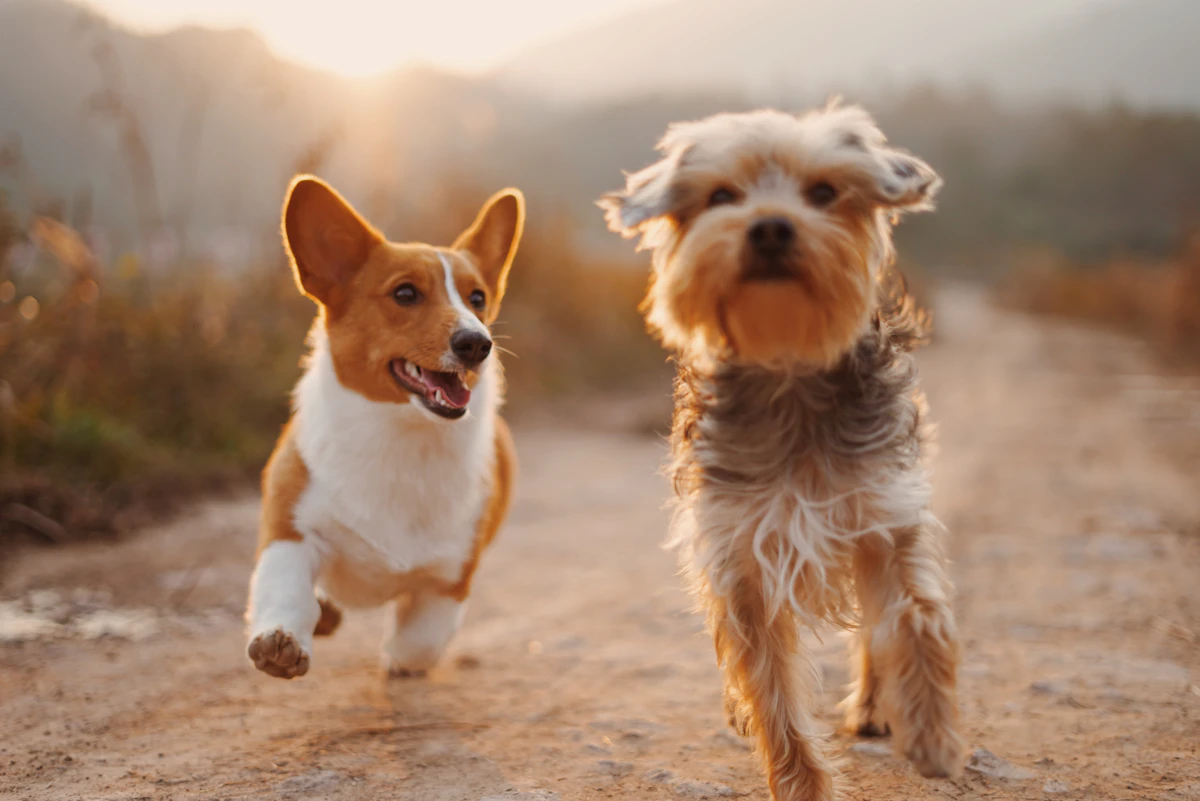
Bringing a puppy on your first road trip — or planning your first flight with a pup — is equal parts exciting and anxiety-inducing. Puppies have unique travel needs that adult dogs don’t: they haven’t been vaccinated against all diseases yet, their bladder control is developing (accidents every 2-3 hours minimum), their bones and joints are still forming (car crash safety matters more, not less), and the early experiences they have with travel literally shape their lifelong attitude toward it.
The equipment you use for puppy travel isn’t just about convenience — it’s about safety and the foundation of a dog who loves travel for life. According to the AKC’s puppy travel guide, crating or securing puppies in vehicles is critical both for safety and for building positive travel associations early. VCA Animal Hospitals’ puppy socialization guide recommends gradual introduction to travel between 8-16 weeks for best long-term results.
📋 Complete Puppy Travel Gear Checklist
- ✅ Crash-tested travel crate or vehicle harness
- ✅ Collapsible water bowl + bottled water
- ✅ Travel first aid kit
- ✅ Puppy pee pads (for car breaks and hotel use)
- ✅ Familiar blanket/toy from home (scent comfort)
- ✅ Collar with ID tag + backup ID on crate
- ✅ Vaccination records and vet contact info
- ✅ Anti-nausea chews or medication (ask your vet)
- ✅ Enzymatic cleaner spray (for accidents)
- ✅ Portable potty station or grass patch
Essential Puppy Travel Gear: 5 Must-Haves Reviewed

Tool 1: Gunner G1 Intermediate Dog Crate — Best Crash-Tested Travel Crate
For road travel, a crash-tested crate is the safest option for puppies — it protects them in an accident the way a car seat protects a child. The Gunner G1 is the only dog crate with a full independent crash test certification (tested to military MIL-STD-810G standards). In an accident, an unsecured puppy becomes a projectile — devastating to the puppy and dangerous to human passengers. The Gunner’s dual-wall rotomolded construction and steel hardware lock in place using a seatbelt attachment system. For the puppy years when bones are fragile and size is small, having them in a crash-tested crate is the most impactful safety decision you can make for car travel. Note: Gunner crates are expensive ($400+). The alternative for budget-conscious owners is the MIM Variocage or a crash-tested seatbelt harness (below).

Tool 2: Kurgo Tru-Fit Crash-Tested Dog Harness — Best Vehicle Safety Harness
For puppies that don’t yet fit in travel crates, or for owners who prefer harness restraint over crating, the Kurgo Tru-Fit is one of the few dog harnesses with an actual crash test certification. It connects directly to the vehicle’s seatbelt, restraining the puppy in a collision. The five-point adjustment ensures a secure fit on puppies as they grow rapidly. It doubles as a regular walking harness — so one product serves both travel and walk purposes during the puppy period. Important: Never attach a seatbelt to a collar — only to a properly fitted harness. Collar-to-seatbelt attachment in an accident can cause fatal neck injuries.
Tool 3: Ruffwear Hydro Plane Portable Dog Bowl — Best Travel Water Bowl
Puppies dehydrate faster than adult dogs and need frequent water access during travel — especially in summer. A collapsible bowl that fits in a jacket pocket makes roadside water stops easy and eliminates the “where’s the bowl?” scramble. The Ruffwear Hydro Plane is the most packable option tested: it folds to less than an inch thick, holds 64 oz of water, and the flexible lip means puppies can drink without spilling. Use bottled water during travel rather than local tap water — municipal water varies and some puppies get diarrhea from sudden water source changes during already-stressful travel.

Tool 4: Thundershirt Classic Dog Anxiety Jacket — Best for Car Sickness & Anxiety
Many puppies experience car anxiety or motion sickness on their first road trips. The Thundershirt uses gentle, constant pressure (similar to swaddling an infant) to reduce anxiety in most dogs. In clinical studies, Thundershirt reduces anxiety signs in approximately 80% of dogs. For travel, it’s most effective when introduced 30+ minutes before departure, in a calm environment. It won’t resolve motion sickness on its own (consult your vet about Cerenia for motion-sickness-prone puppies), but it meaningfully reduces travel anxiety that makes motion sickness worse. The investment pays for itself on the first long trip with an anxious puppy.
Tool 5: PetAg Potty Patch Portable Dog Bathroom — Best for Hotel & Rest Stops
Puppies need bathroom breaks every 2-3 hours maximum — and finding appropriate grass at highway rest stops or in a hotel parking lot isn’t always possible at 2 AM. A portable potty patch provides a familiar grass-like surface that puppies trained on grass immediately recognize as a bathroom spot. The drainage system prevents pooling. The antimicrobial surface resists odor between cleanings. For hotel stays, it eliminates the need for a stressful outdoor search every 2 hours at night. Pair with puppy pee pads underneath for indoor hotel use when weather or time prevents outdoor breaks.
The Complete Puppy Travel Planning Guide
Before You Leave: Veterinary Checklist
- Confirm your puppy’s vaccinations are current for the states/countries you’re visiting (some states require rabies certificates)
- Get a health certificate if flying — airlines require one issued within 10 days of travel
- Discuss anti-nausea medication (Cerenia) if your puppy has shown motion sickness
- Update microchip registration with current contact info
- Pack vaccination records and vet contact number
Road Trip Schedule for Puppies
Plan for a bathroom stop every 2 hours for puppies under 4 months, every 3 hours for 4-6 month puppies. Never exceed 4 hours without a break. Use stops to let the puppy walk on grass, drink water, and decompress — not just a quick bathroom stop and back in the car. Building positive rest-stop associations makes future travel easier.
People Also Ask
At what age can puppies travel in the car?
Puppies can travel in the car from the day you bring them home (typically 8 weeks). In fact, the socialization window (8-16 weeks) is the ideal time to introduce car travel — positive early experiences in the car create a dog that’s relaxed about travel for life. Use short positive trips first (5-10 minutes, ending somewhere fun like a park), gradually building duration.
Can I let my puppy stick their head out the car window?
No — for puppies or adult dogs. Road debris, insects, and wind can cause serious eye injuries. Flying debris at highway speed can cause corneal abrasions or worse. A dog hanging out a window is also an ejection risk in sudden braking. Keep windows open only a few inches for air circulation, with the dog secured inside the vehicle.
📚 Related Articles
⚠️ Affiliate Disclosure: PicksForPaw participates in the Amazon Services LLC Associates Program. We earn from qualifying purchases at no extra cost to you.
Leave a Reply